Zone 0 Was Approved in August Then Pulled Back: Where the First 5 Feet Stands
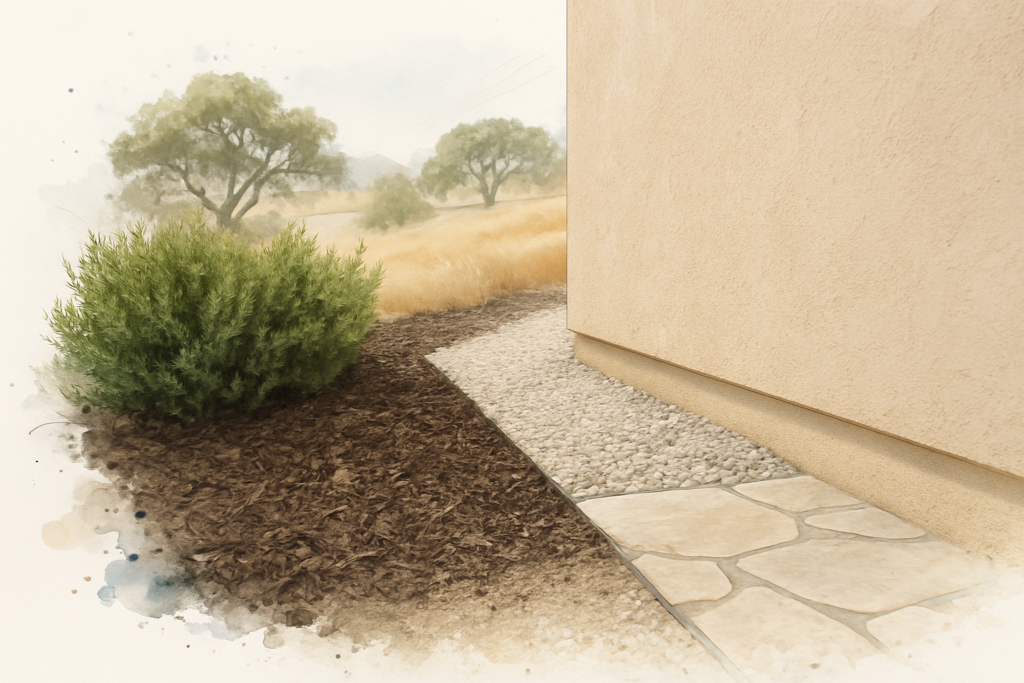
Direct Answer: The Board of Forestry approved Zone 0 defensible space regulations on August 19, 2026, then withdrew the package from Office of Administrative Law review on September 8, 2026. There is no statewide effective date right now. A homeowner in Carmel Valley called me in September asking if she had to tear out the […]
Cracked Firebrick and Crumbling Joints: What a Firebox Is Telling You
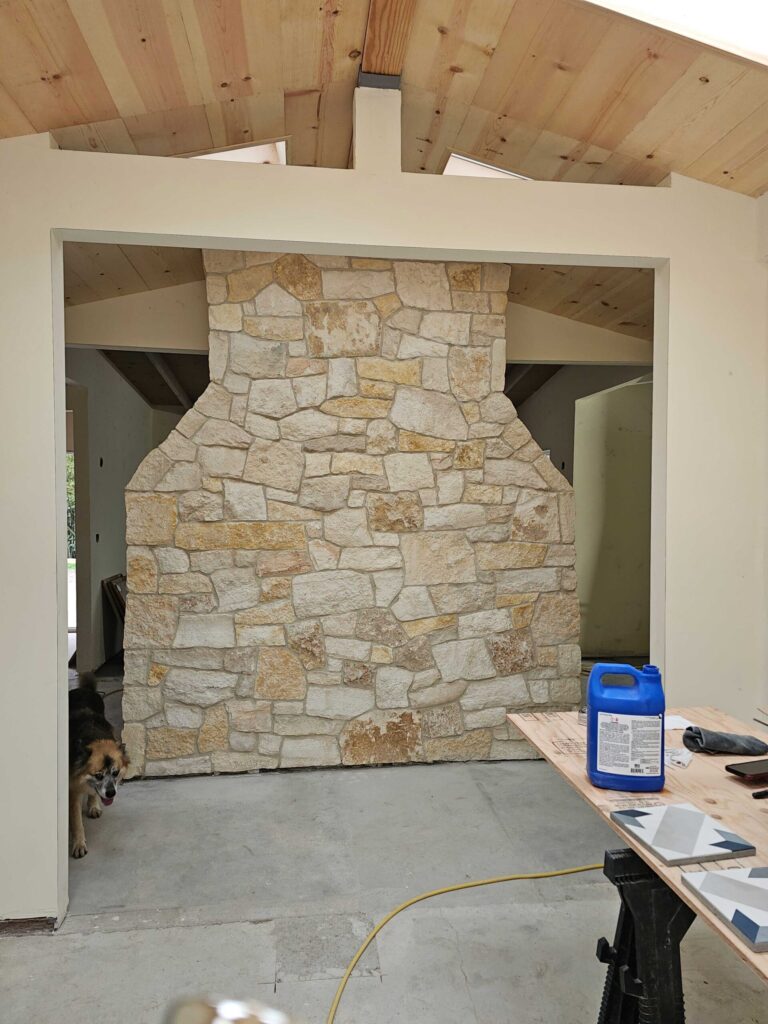
Direct Answer: Hairline heat checking in firebrick is common and usually watched. Open joints, loose brick, or gaps showing material behind the firebox mean stop burning and have a qualified mason evaluate it. You crouched down at the hearth with a flashlight sometime in late September, probably because the fog finally turned cold and you […]
One Tall Wall or Two Terraces? What the Spacing Between Them Changes
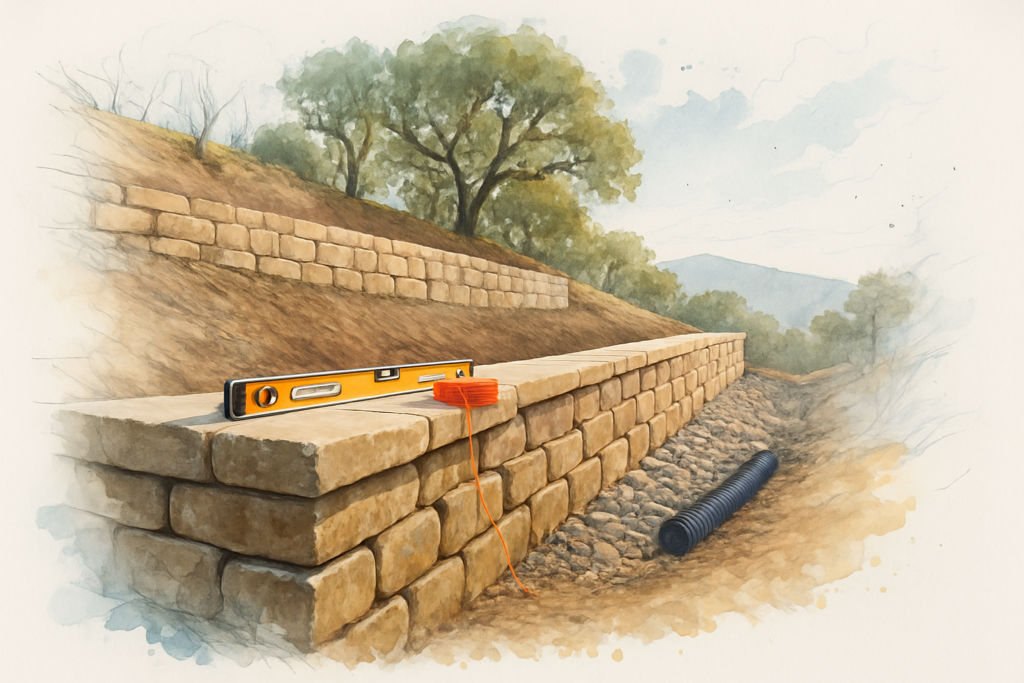
Direct Answer: Two stepped walls only count as separate structures if the upper wall sits back at least twice the exposed height of the lower one. Closer than that, the lower wall carries both. You have a slope in the back of the property that nobody uses. One contractor told you to build one tall […]
Water Stains Near the Fireplace: Where a Masonry Chimney Lets Rain In
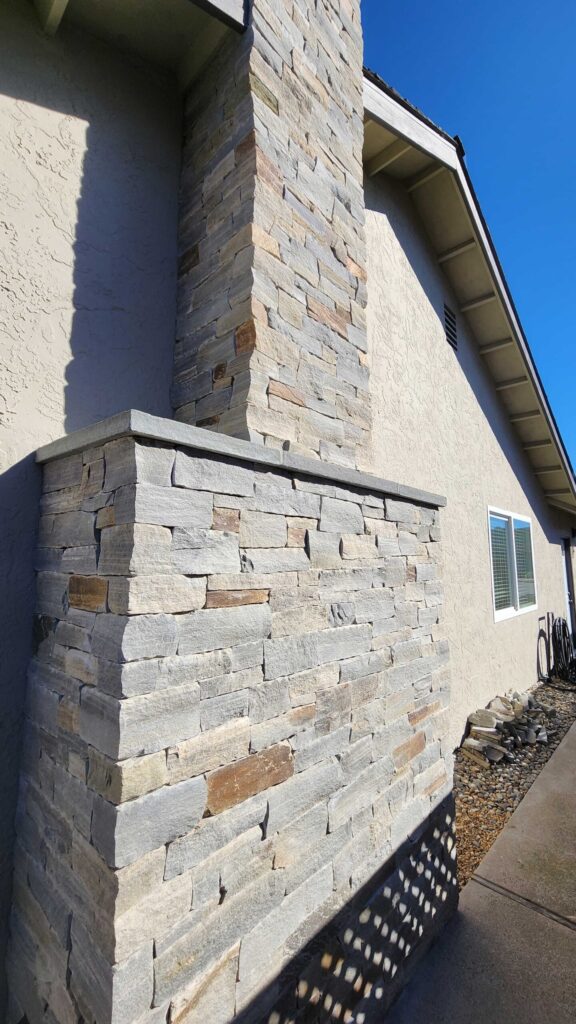
Direct Answer: Most chimney leaks start at the top: a cracked crown, washed-out mortar joints above the roofline, or spalling brick. Roof flashing is the other common source, and that one belongs to a roofer. You walk past the fireplace a day after a storm and there it is. A damp gray mark on the […]
Hard Mortar on Old Brick: What Goes Wrong When the Mix Doesn’t Match
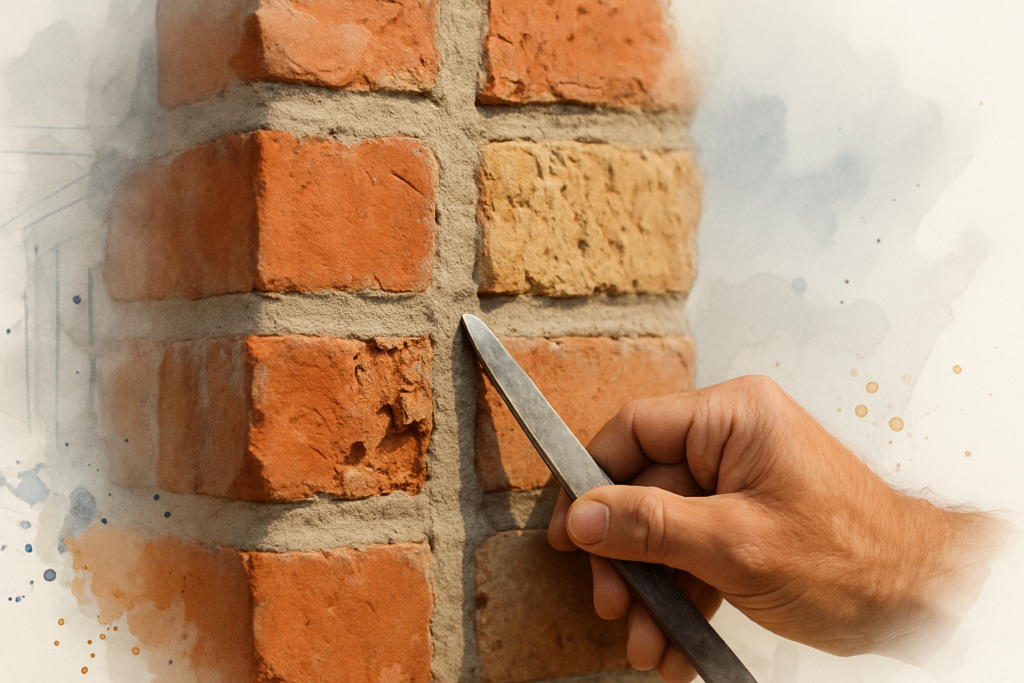
Direct Answer: Mortar is meant to be softer than the brick around it. When a repair mix is harder than the original units, moisture and movement stress move into the brick faces instead of the joints. You run a finger along the joint of an old brick wall or chimney and sand falls out. That […]
Where a Mantel Can Sit and How Far the Hearth Has to Run Out
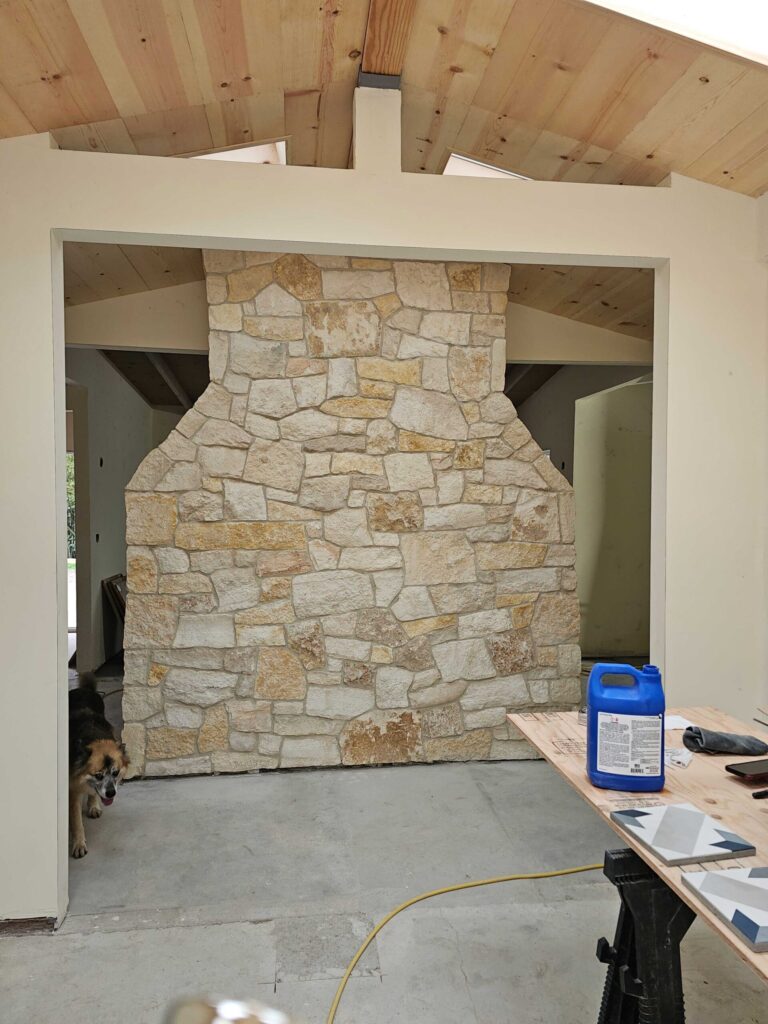
Direct Answer: A hearth extension must run at least 16 inches in front of the firebox opening and 8 inches past each side. Combustible mantels have to stay at least 6 inches from the opening. Almost every fireplace conversation I have starts the same way. Someone hands me a phone with a photo on it, […]
Monterey County Plan Submittals Moved Online September 1, 2026
Direct Answer: As of September 1, 2026, Monterey County HCD reviews permit plans through the ePermitHub Digital Plan Room via Accela Citizen Access. Applicants in unincorporated county areas now upload, correct, and approve plans online. If you have a patio, retaining wall, or outdoor fireplace on your list this year, there is one date worth […]
Replacing the Stone Around a Pool: Coping, Slope, and Tie-Ins Explained
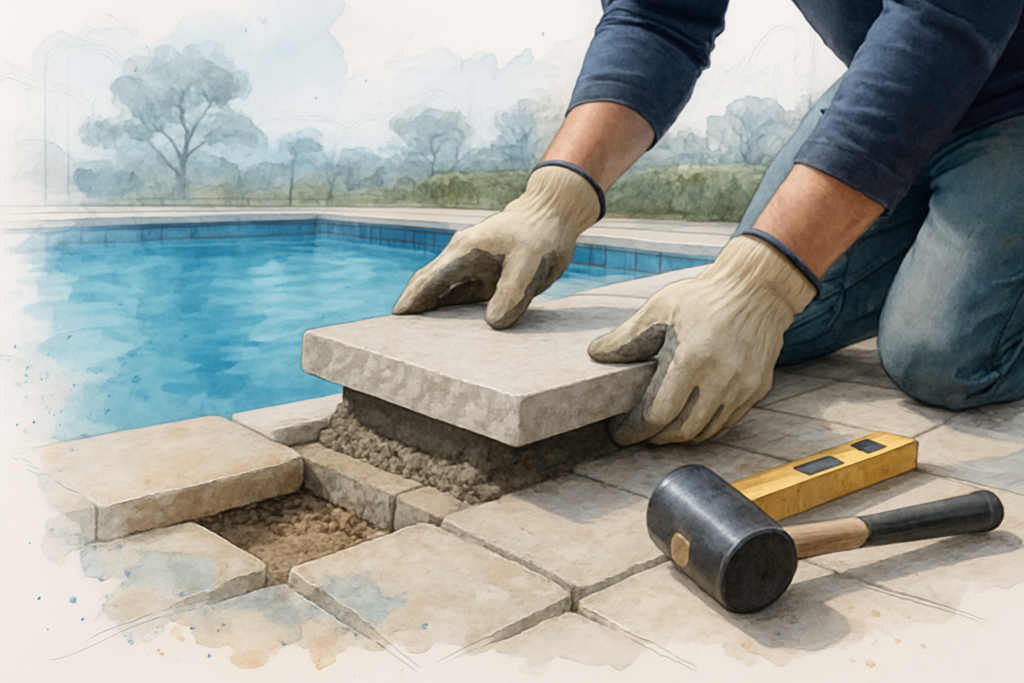
Direct Answer: Coping sits on the pool’s bond beam and holds the edge. Deck stone sits on a prepared base and sheds water. They fail for different reasons, so they are prepped, priced, and repaired separately. Most poolside calls I get start the same way. A few deck stones have shifted or cracked, the coping […]
Smoke Rolling Into the Room: What Firebox Proportions Have to Do With It
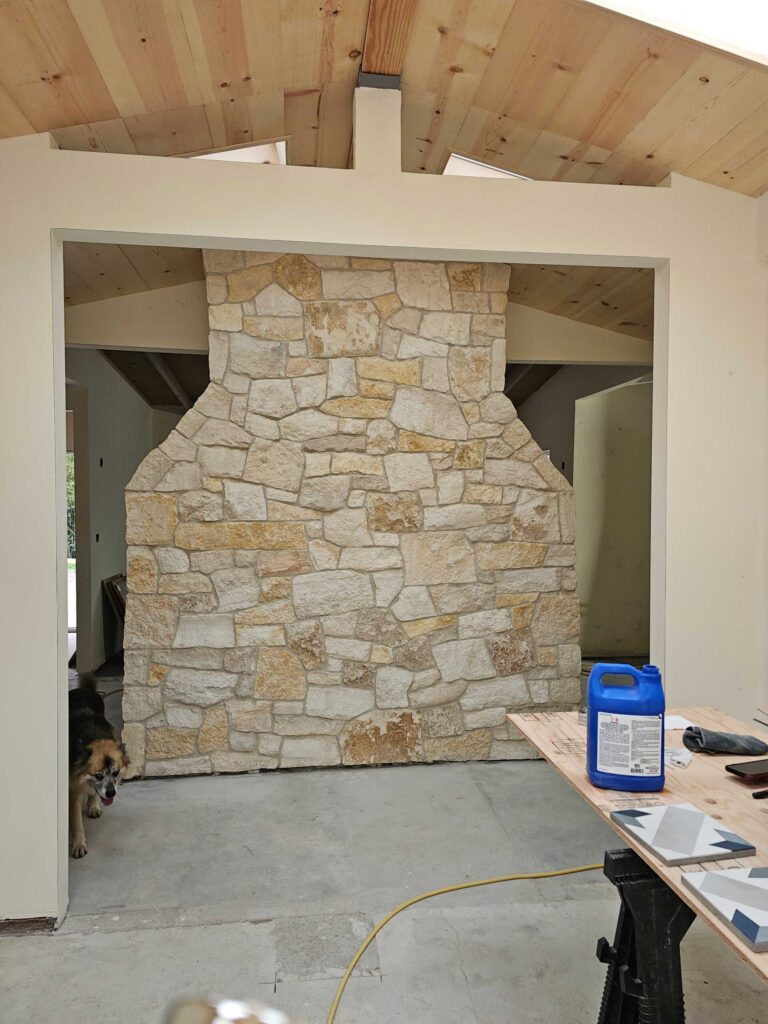
Direct Answer: A fireplace usually smokes because the firebox, throat, damper, or smoke chamber is shaped or sized wrong. The opening is too big for the flue, or the passageway above the firebox is choked. You light a fire, the room looks great for about four minutes, and then a soft gray haze starts drifting […]
Zone 0 approved: the first 5 feet around your home may need to be noncombustible
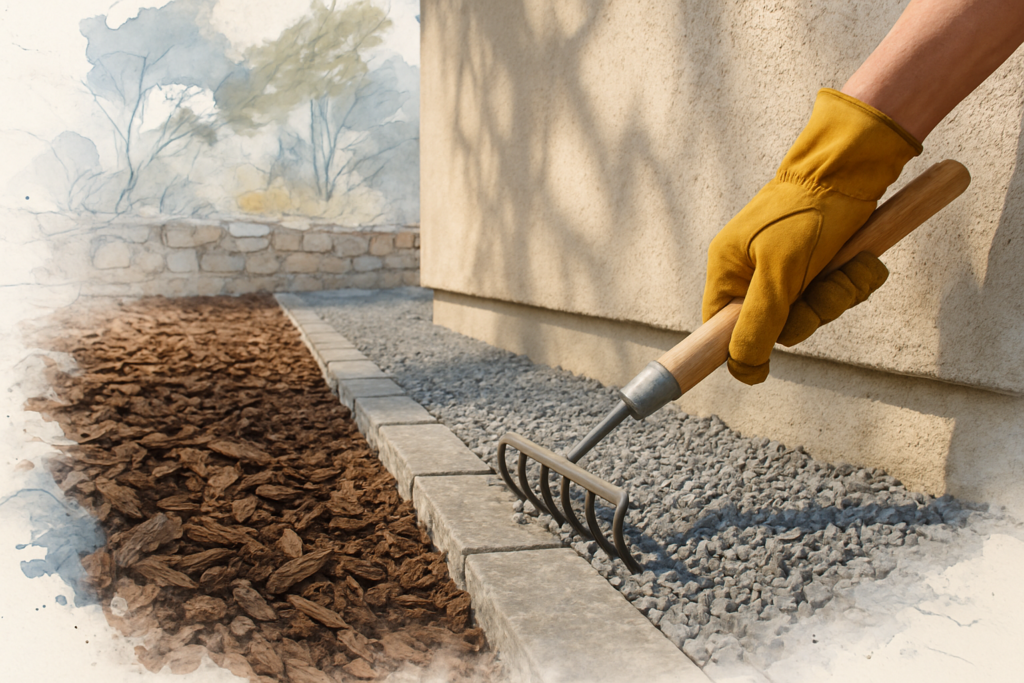
Direct Answer: California’s Zone 0 rules require an ember resistant band in the first five feet around qualifying structures, pushing homeowners to replace mulch and firewood with gravel, stone, or masonry surfaces. If you have bark mulch beds pressed against your siding, firewood stacked by the back door, or a wood gate that touches the […]
