
Picking Patio Stone for Salt Air and Fog: Flagstone, Pavers, or Granite
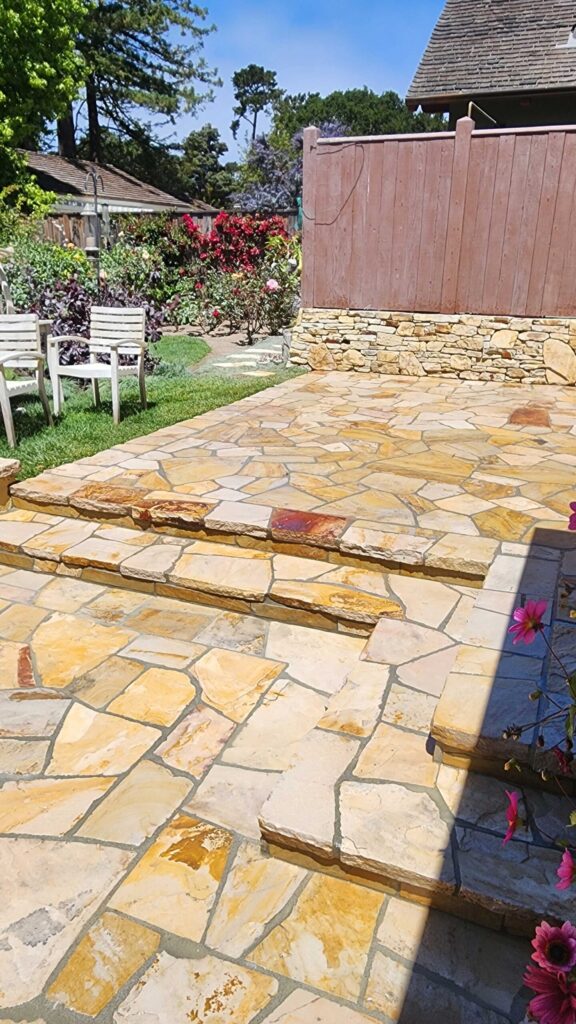
Direct Answer: For a coastal patio in Monterey County, denser stone like granite or basalt absorbs less water and stays safer underfoot. Pavers are easier to repair. Absorption and finish matter more than looks. You are standing in a stone yard holding a dry sample under bright indoor light, and it looks perfect. The problem […]
Refacing a Fireplace in Stone Veneer: What the Structure Behind It Decides First
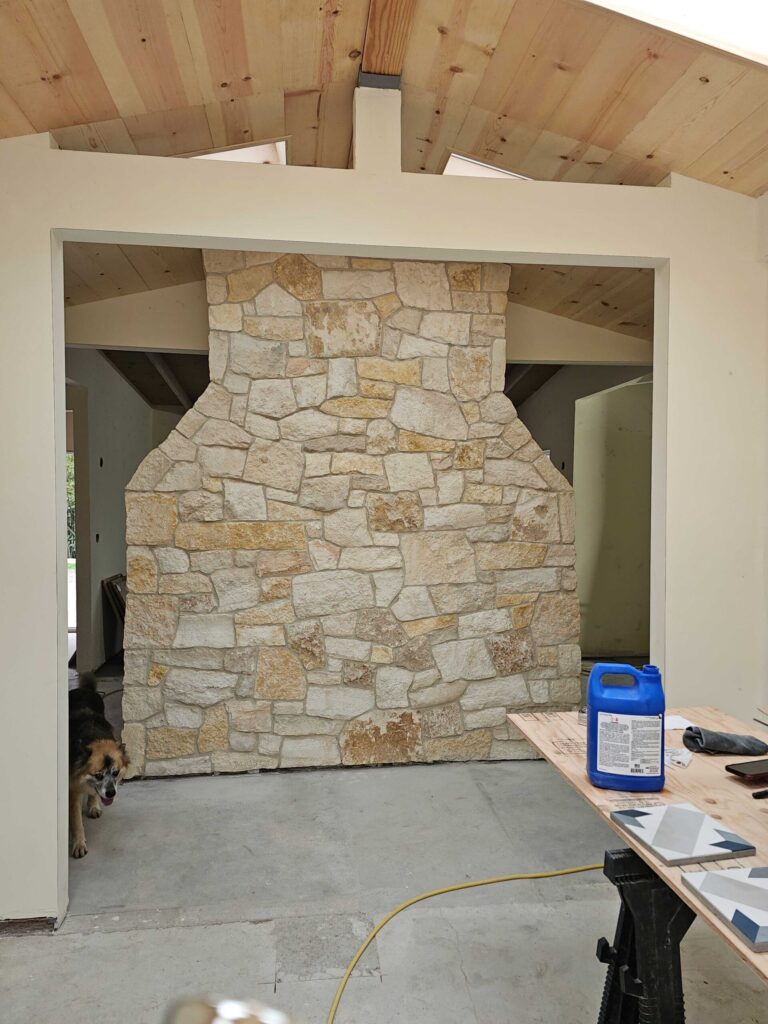
Direct Answer: The structure decides. Before any stone gets picked, the existing unit type, firebox condition, and how much weight the wall and footing can carry set your real material options. Most people call me about a fireplace because they hate the way it looks. Dated brick, painted-over stone, a slab of 1980s tile that […]
White Powder on Brick and Block: Reading the Water Behind It
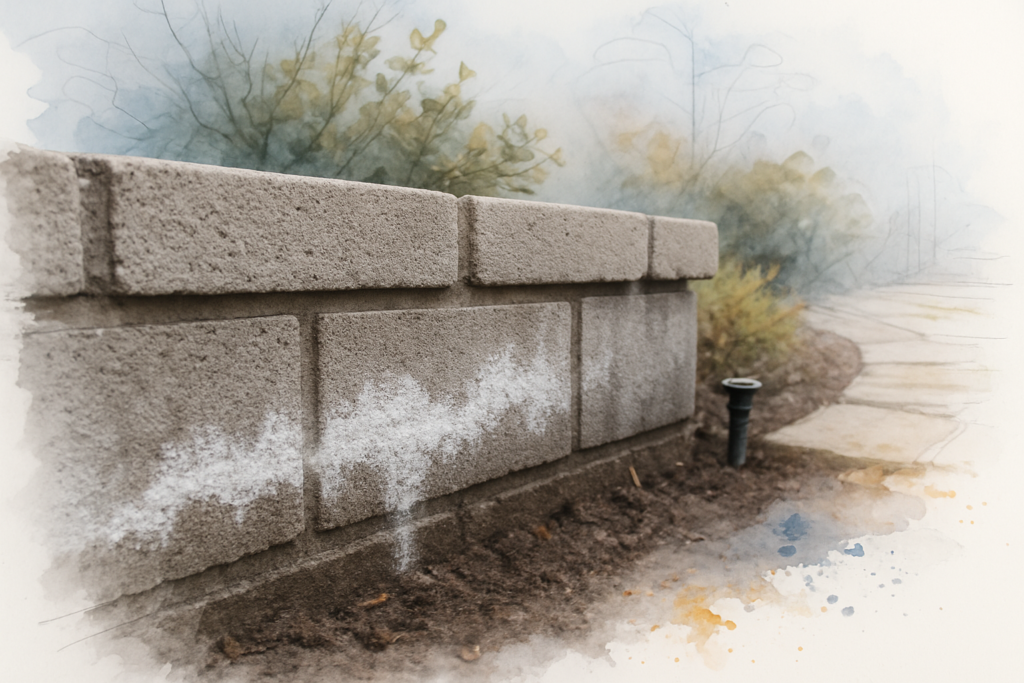
Direct Answer: That white powder is efflorescence: salt left behind when water moves through masonry and evaporates at the surface. It is not usually harmful, but it shows you where water is getting in. You walk out after a rain and part of your brick or block wall looks like someone dusted it with flour. […]
Spalling Brick on Peninsula Homes: Why Faces Flake and What Fixes It
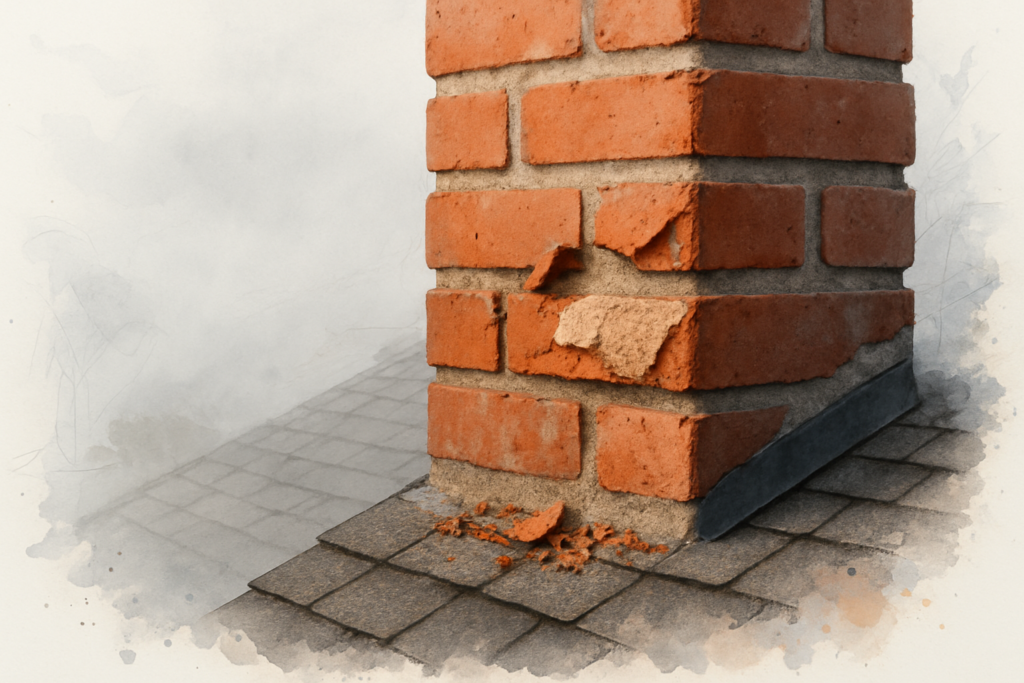
Direct Answer: Spalling is the brick itself breaking apart, usually from trapped moisture and salt. The fix starts with stopping the water, then patching, replacing units, or rebuilding based on how deep the loss goes. Most people do not call me and say they have spalling brick. They say the face of the brick is […]
Trading Turf for Stone: How Peninsula Water Rules Shape a Hardscape Plan
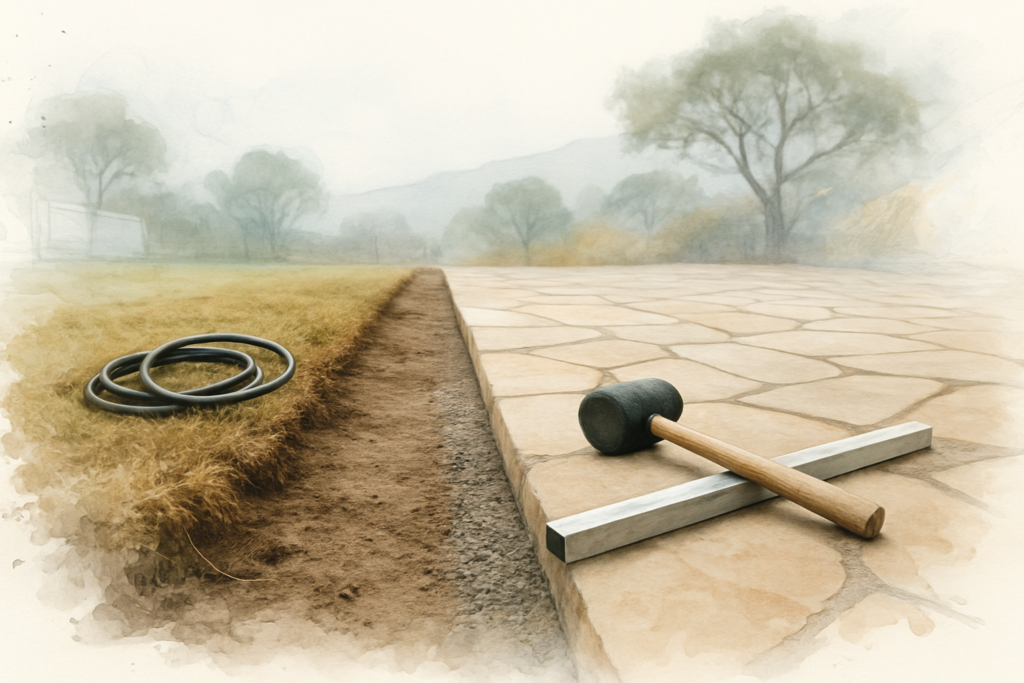
Direct Answer: Under MPWMD Rule 142.1, patios, stone walks, driveways and other hardscape are excluded from the Landscape Area used for water budget math. Requirements still vary by jurisdiction and project type. Most yard conversations I have on the Peninsula start the same way. The lawn is tired, the water bill stings, and someone in […]
Matching New Stone to Old: What Makes a Repair or Addition Blend In
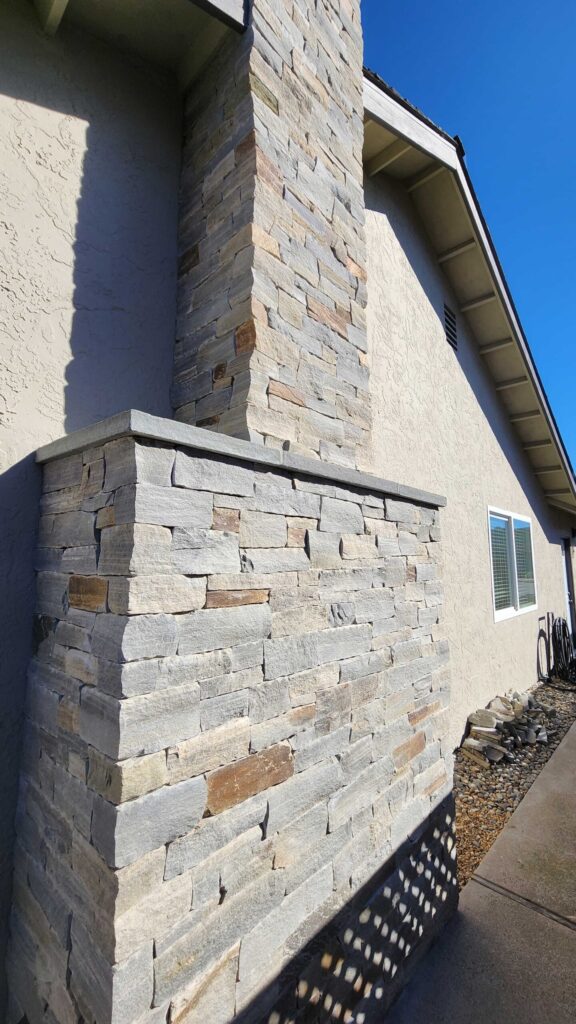
Direct Answer: New stone blends in when the structural tie-in is right, salvaged original stone goes on the most visible face, and the mortar color, joint width, and tooling profile match the existing work. A homeowner in Moss Landing reached out to us after a utility vehicle clipped the corner of their block retaining wall. […]
When a Vehicle Hits Your Block Wall: How That Repair Gets Scoped
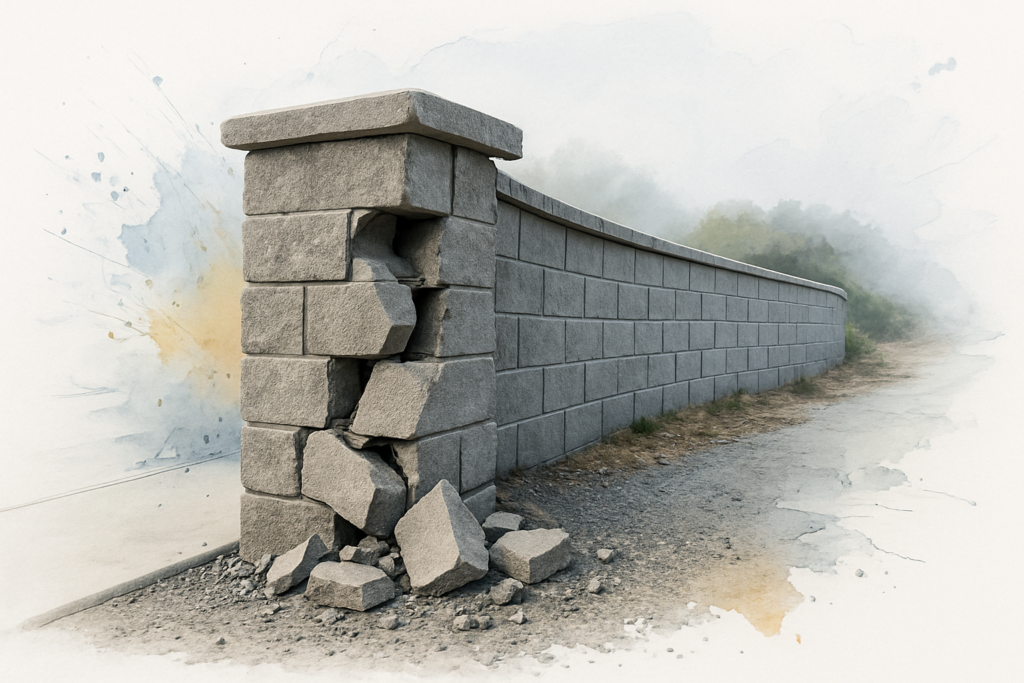
Direct Answer: A struck block wall gets scoped by inspecting the courses beyond the visible break, then itemizing debris removal, corner rebuild, capstone reset, and tie-in verification so the paying party sees exactly what is repaired. A homeowner near Moss Landing sent me a description I have read some version of a dozen times. A […]
When a Retaining Wall Needs a Permit in Monterey County, and What Gets Reviewed
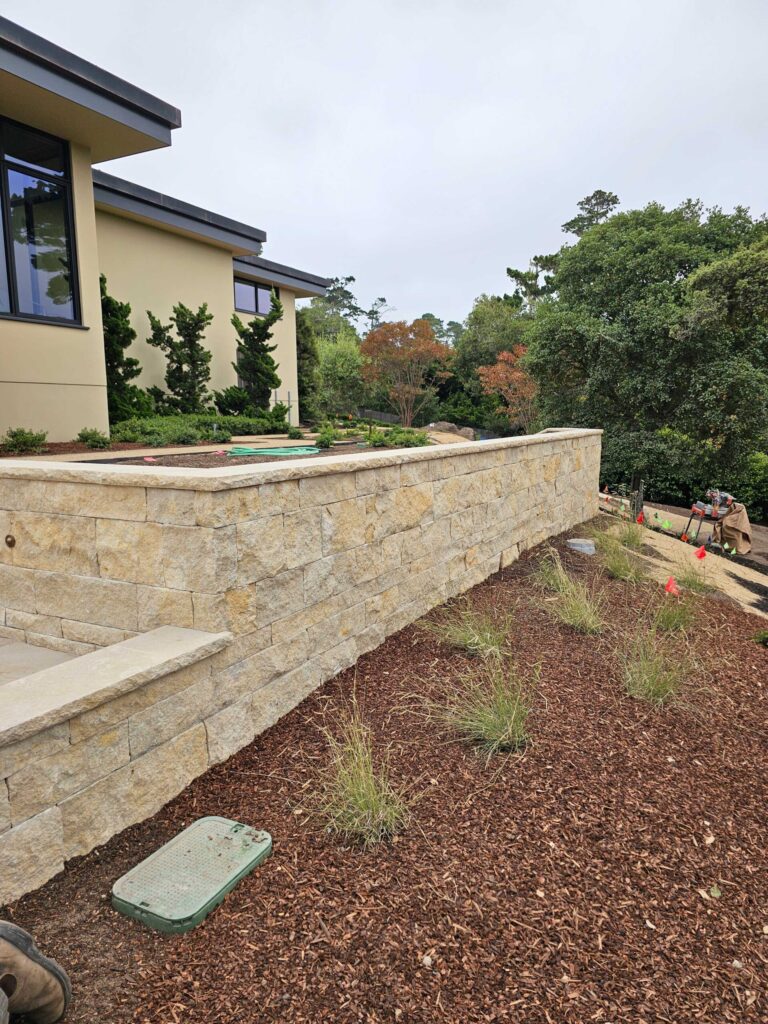
Direct Answer: In Monterey County, a construction permit is generally required for a retaining wall four feet or taller, and for a wall of any height that supports a surcharge. Rules vary by city. Almost every retaining wall conversation I have starts the same way. The homeowner asks how tall the wall can be before […]
Why Retaining Walls Fail on Salinas Clay Soil, and What Drainage Has to Do With It
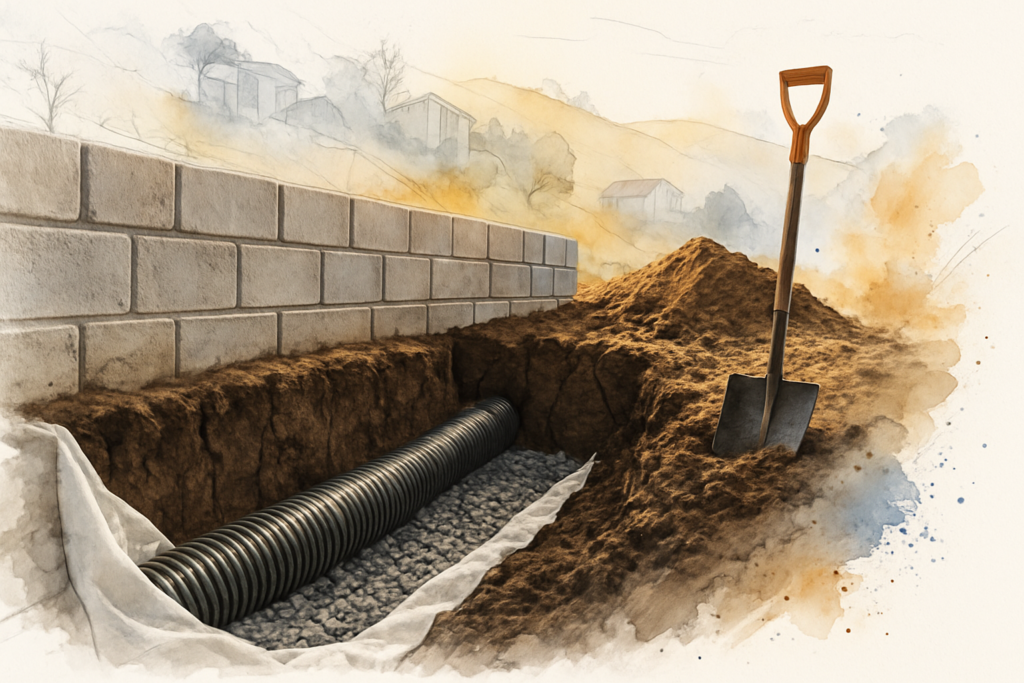
Direct Answer: Most retaining walls in Salinas fail because expansive clay swells when it gets wet and pushes on the wall. Proper drainage relieves that pressure, but only if it has a real outlet. A wall that looked perfectly straight in September starts leaning by February. That is the call I get most often, and […]
How Seismic Zone Rules Shape a Masonry Fireplace Build
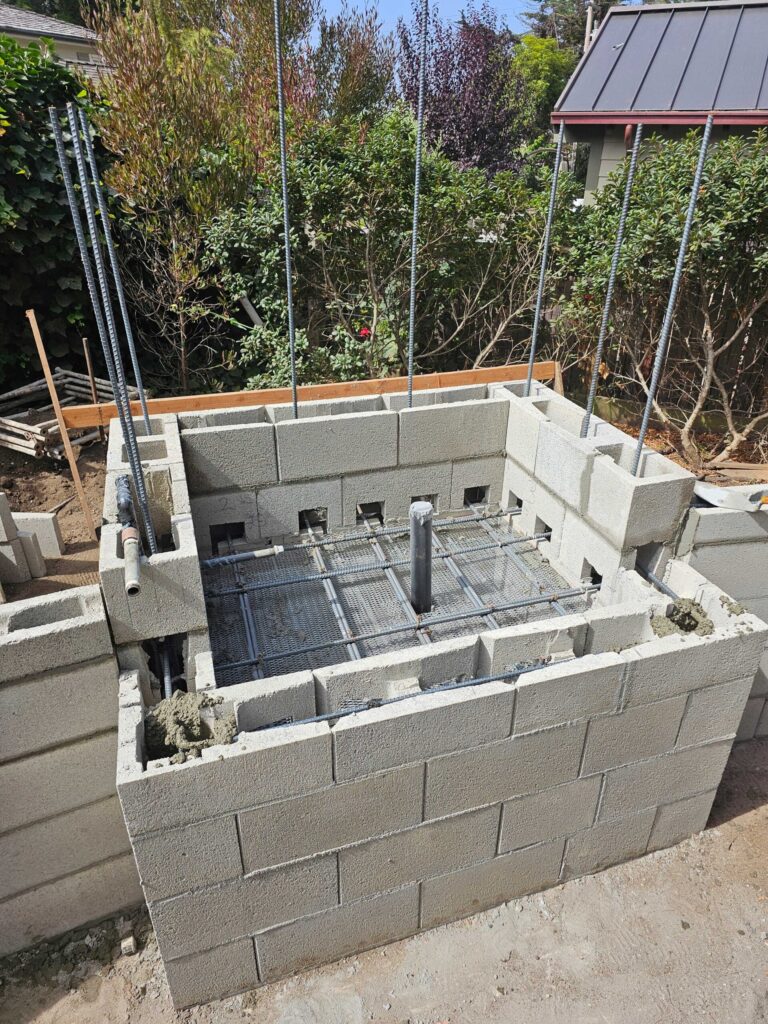
Direct Answer: Most of Monterey County sits in Seismic Design Category D, so masonry fireplaces need reinforced footings, vertical steel grouted solid, and chimney anchorage tied into the structure. That work is code, not an upgrade. You get two bids for the same masonry fireplace. One is several thousand dollars lower, and nobody explains why. […]
