

When a Vehicle Hits Your Block Wall: How That Repair Gets Scoped
Direct Answer: A struck block wall gets scoped by inspecting the courses beyond the visible break, then itemizing debris removal, corner rebuild, capstone reset, and
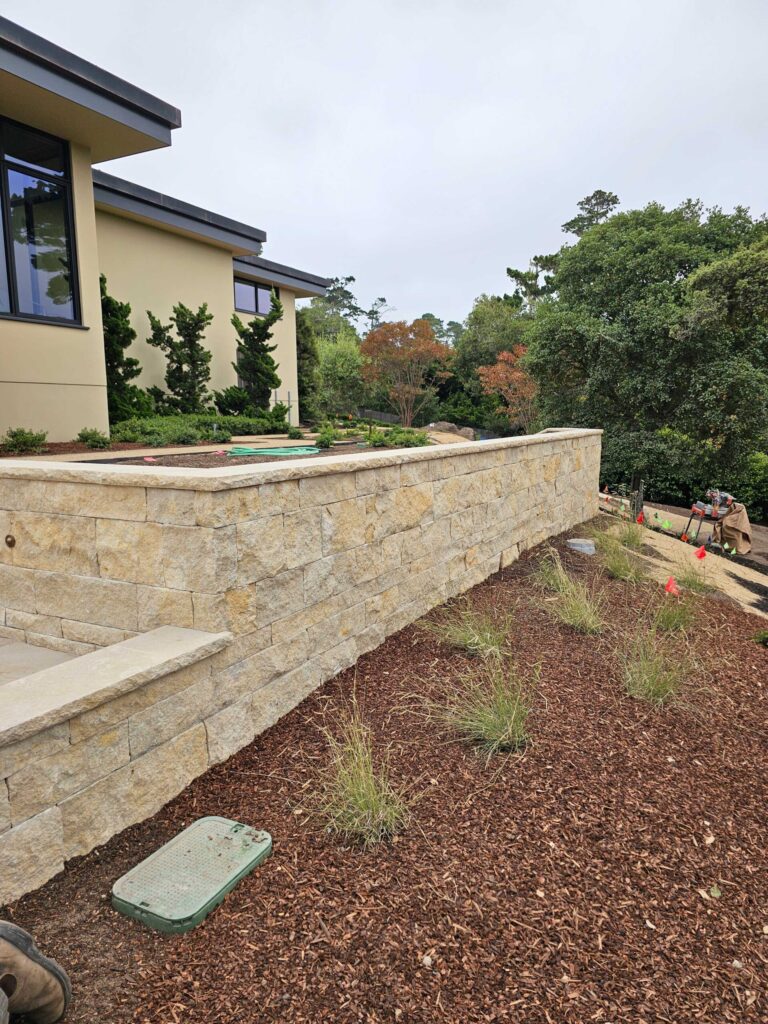
When a Retaining Wall Needs a Permit in Monterey County, and What Gets Reviewed
Direct Answer: In Monterey County, a construction permit is generally required for a retaining wall four feet or taller, and for a wall of any
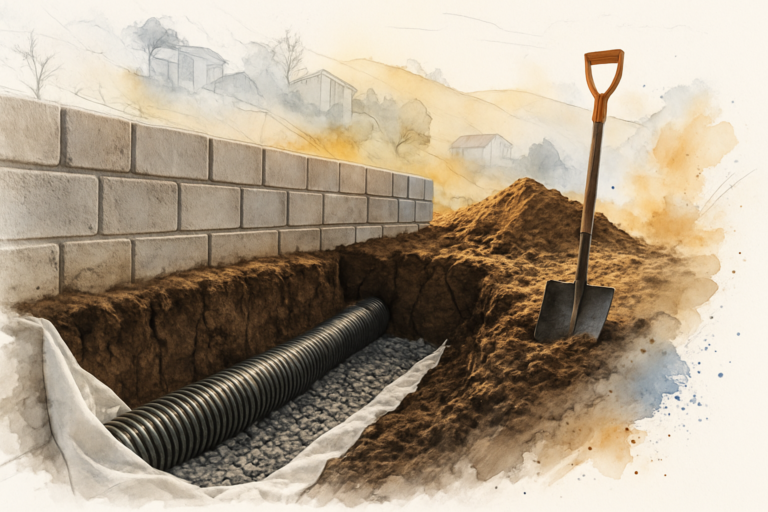
Why Retaining Walls Fail on Salinas Clay Soil, and What Drainage Has to Do With It
Direct Answer: Most retaining walls in Salinas fail because expansive clay swells when it gets wet and pushes on the wall. Proper drainage relieves that
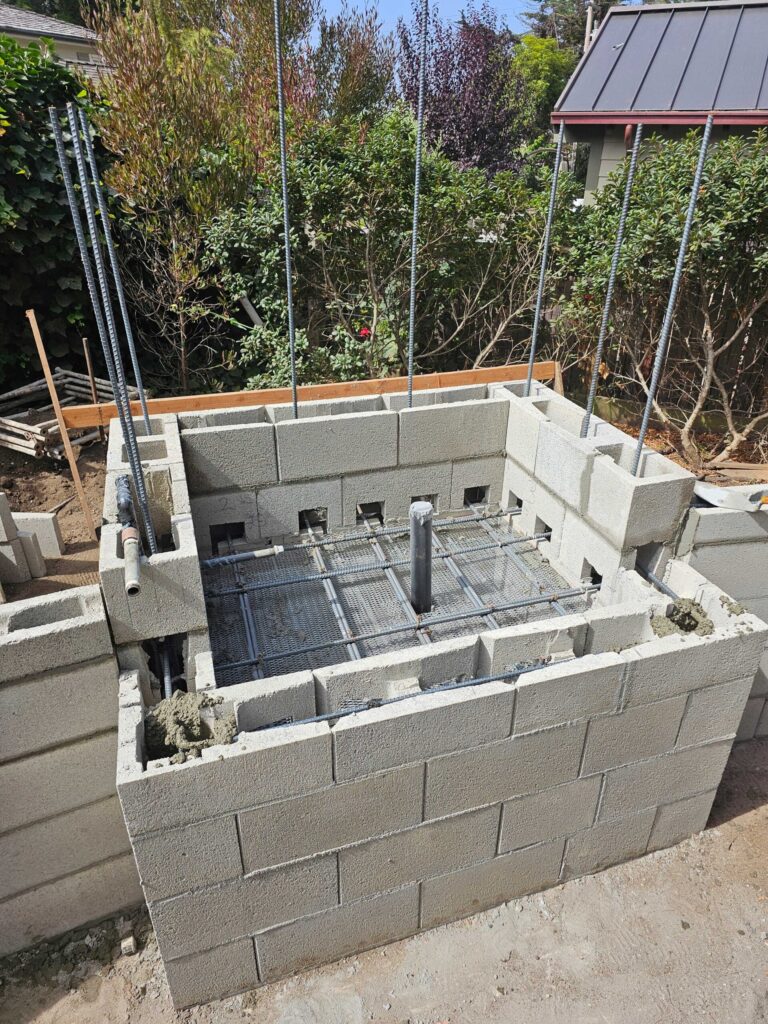
How Seismic Zone Rules Shape a Masonry Fireplace Build
Direct Answer: Most of Monterey County sits in Seismic Design Category D, so masonry fireplaces need reinforced footings, vertical steel grouted solid, and chimney anchorage
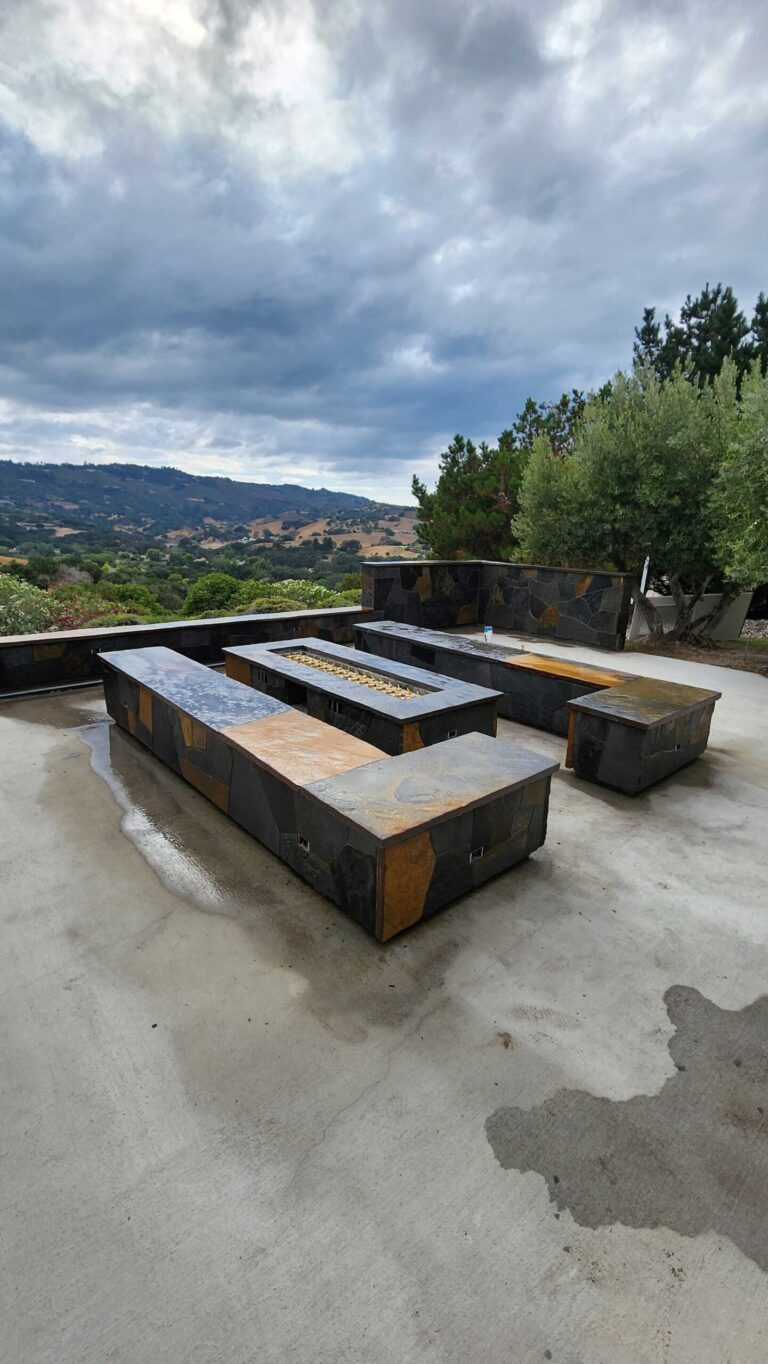
Seating Walls: Where Patio Design and Masonry Craft Actually Meet
Direct Answer: A masonry seating wall is a low wall built at chair height, usually 18 to 20 inches finished. It needs a real footing,
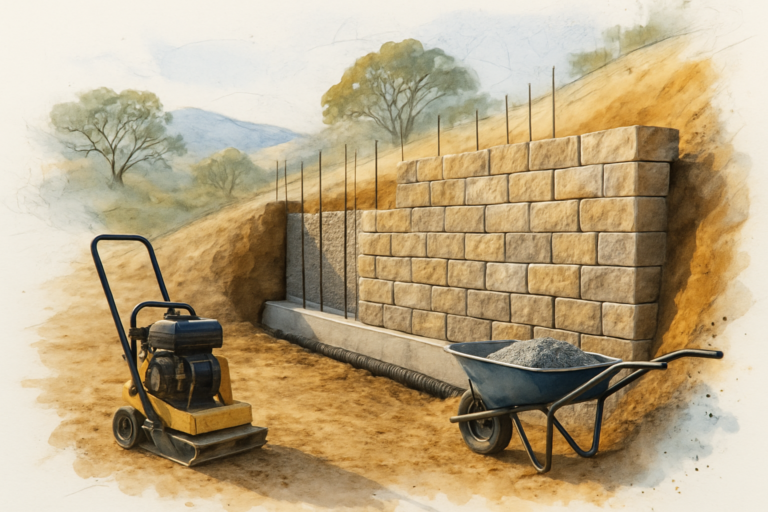
How a Retaining Wall Quote Is Built, From Footing Depth to Backfill
Direct Answer: A retaining wall quote is built in the order the work happens: access, demolition, excavation, footing, base, drainage, wall material, backfill, cap, permit,
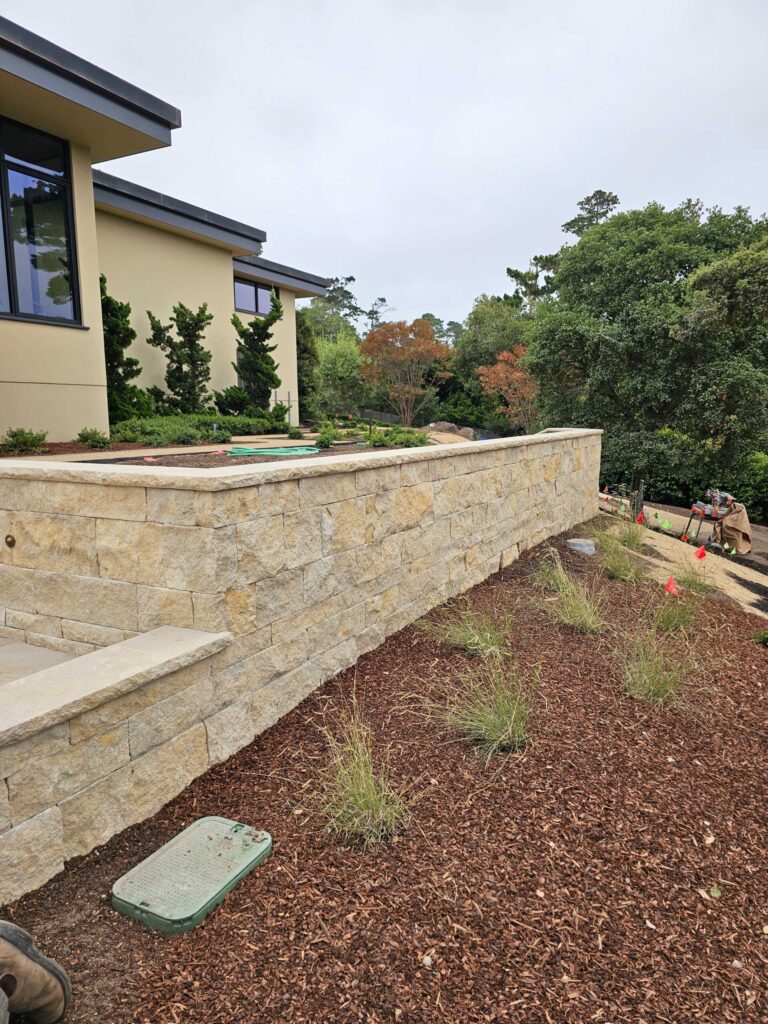
When Does a Retaining Wall Need an Engineer in California?
Direct Answer: In California, a retaining wall usually needs engineering once it exceeds 4 feet measured from the bottom of the footing to the top,
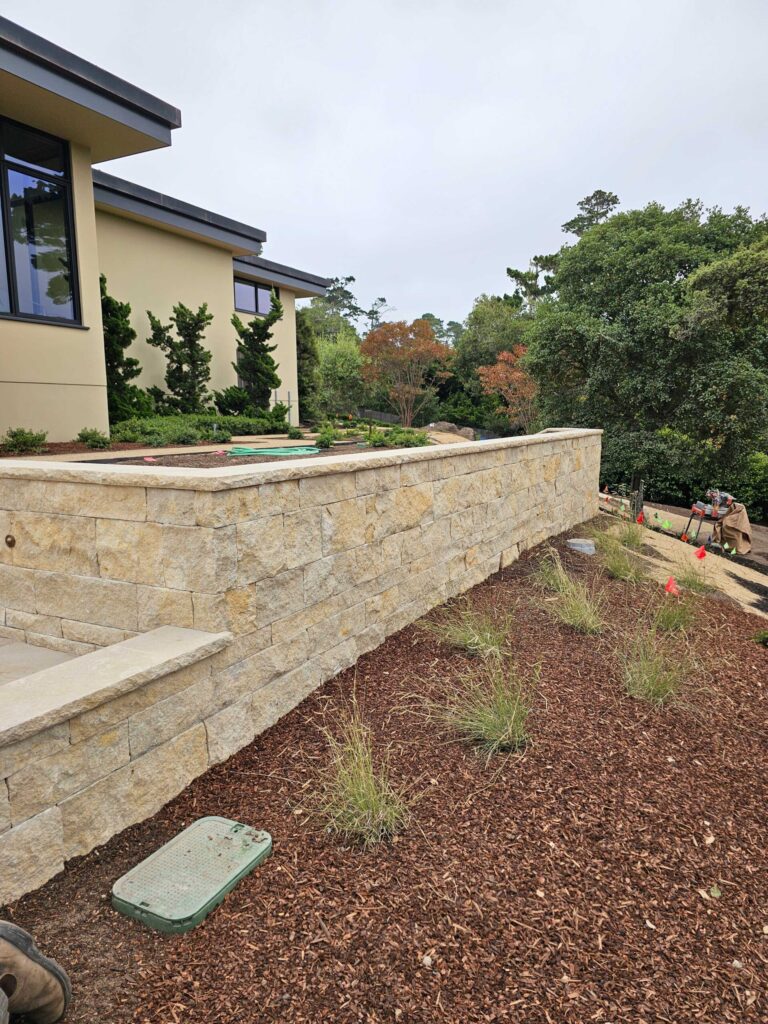
Before the Rains: A Retaining Wall Inspection Checklist for Monterey County Properties
Direct Answer: Before the wet season, check five things on your retaining wall: plumb, the corner joints, bulging in the middle, weep holes, and water
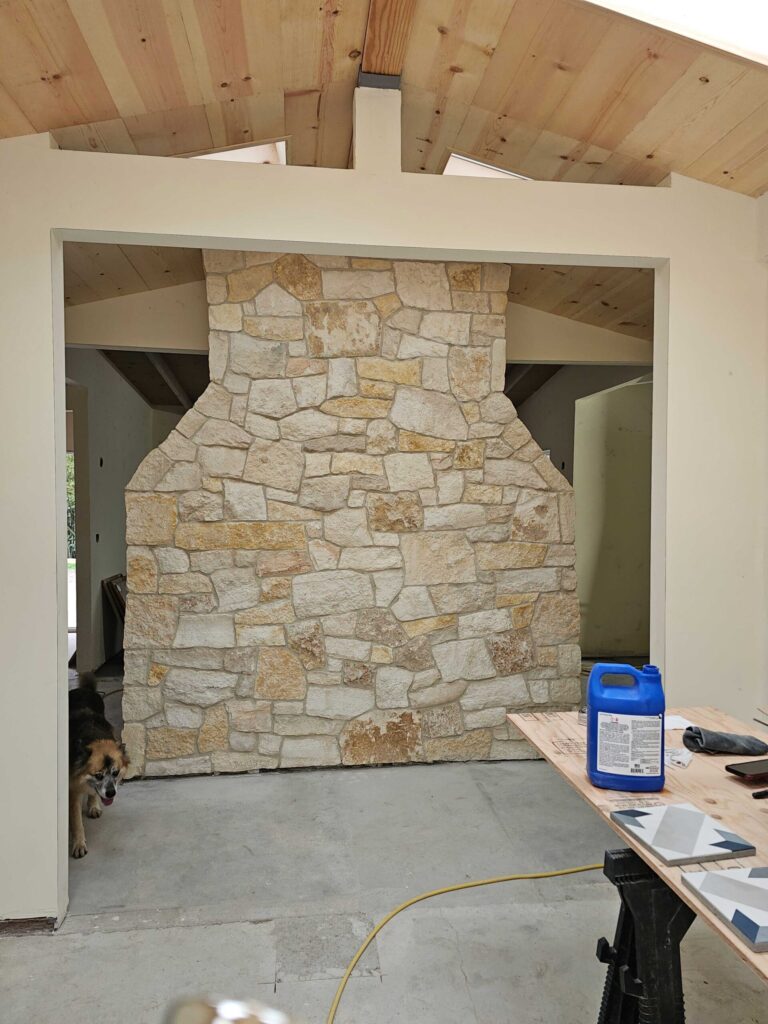
What the Chimney Above a Masonry Fireplace Actually Has to Do
Direct Answer: A masonry chimney does three jobs: it pulls combustion gases out, carries several tons of load down to a footing, and shields the
